 467 Vanderbilt Ave, Brooklyn, NY 11238
 Mon-Fri 8AM - 6PM.


Choosing the right daycare is an important decision for parents wishing to ensure that their children gain valuable skills in a caring environment. For people in Brooklyn, a multicultural and multilingual community, it is becoming common to seek out centers that provide early education along with language education. In a bilingual daycare in Brooklyn, the children get to learn two languages by playing.
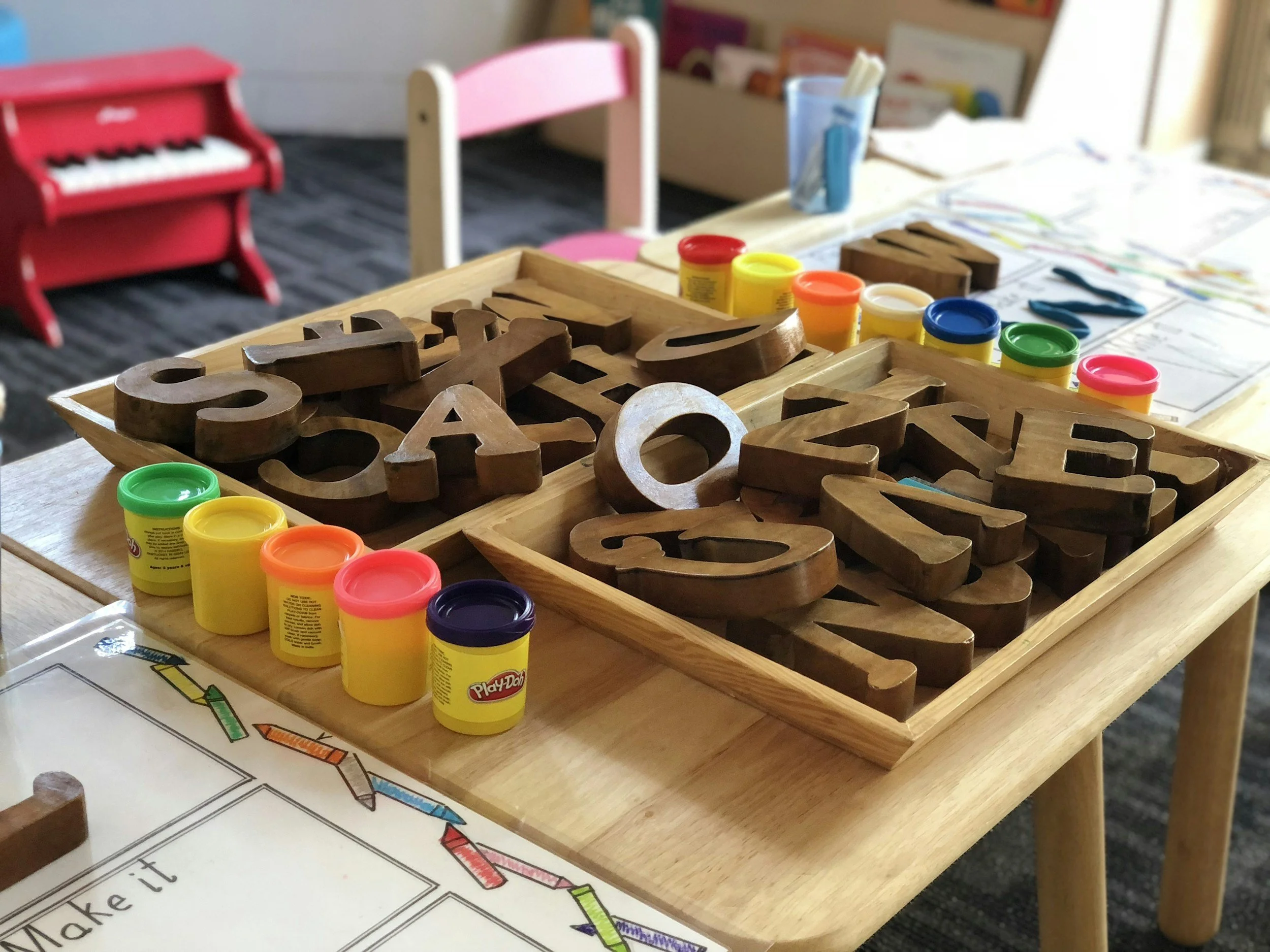
Beyond learning new vocabulary, bilingual daycare may also impart cultural knowledge to the children, enable communication, and help them adapt well to social settings. For parents who use multiple languages at home or parents who want to introduce another language to their kids, there can be no better alternative than a nice bilingual program.
1. Early Language Exposure Encourages Natural Learning
Language acquisition takes place through hearing, observation, imitation of words, and interaction. In a bilingual day care in Brooklyn, two languages are used in daily interactions, where new sounds and words can be introduced to the children.
Learning Through Play and Daily Activities
Language education can be done through songs, books with pictures, art, and role-play games. Colors can be taught through painting, numbers through construction blocks, and language through storytelling.
These exercises link vocabulary to concrete experience and not just rote learning. Through repeated exposure, children can learn how to use the words in their everyday environment.
Supporting Language Development
It has been found out that being bilingual does not necessarily lead to language delay. The development of children is influenced by some other factors such as language input, interaction, and the individual needs of the child.
Quality daycare programs offer children chances to listen, understand, and speak in two languages at their own pace.
2. Bilingual Childcare Can Build Communication Confidence
More goes into communication than just talking. Young children need opportunities to express their feelings, ask questions, give instructions, and converse.
In a bilingual daycare in Brooklyn, educators can use greetings, daily requests, and simple phrases in regular classroom activities. This will assist the children in becoming comfortable with speaking in real-life situations.
Encouraging Children to Try New Words
Some children will tend to listen carefully, gesture, and even speak in their stronger language at first when exposed to a new language. A good teacher knows that children need time to become comfortable.
Visual cues, repetition, modeling, and positive reinforcement can aid participation without undue stress. Over time, children may be more open to trying out new words.
Creating a Supportive Environment
Positive learning environments make sure that mistakes help children learn and that the child speaks at his/her pace. Parents must ask how they will assist introverted children and those learning a new language.
3. Children Discover Different Cultures and Traditions
Diverse communities in Brooklyn provide opportunities for children to have exposure to varied languages, cultures, and perspectives. Such exposure may take place in bilingual day care centers through storytelling, songs, festivals, and classroom activities.
They can learn how to greet people in another language, listen to stories about other communities, or engage in activities that introduce new customs.
Developing Cultural Awareness
This will enable them to appreciate the diversity. The kids will come to understand that despite the fact that families may have their own distinct customs, they all have similar feelings and interests.
Bilingual Daycare in Brooklyn will be able to include cultural education in daily activities instead of just on special occasions.
Maintaining Family Language Connections
A daycare that respects the child’s home language can facilitate the child's relationship with family members for multilingual families. Parents need to inquire about the daycare program’s policy regarding teaching their native language along with their second language.
4. Children Practice Social Skills Through Interaction
Children have opportunities to exchange toys, play, cooperate, and make friends at daycares. There are also opportunities in bilingual classes for communication through language, gestures, and facial expressions.
Learning Through Group Activities
Puzzles, building projects, role-playing, and music, the child learns to work together. The teacher could demonstrate how to use facial expressions to get a turn, to play with another child, or to receive help.
The constant practice enables the child to relate language to real-life social situations.
Building Positive Relationships
Children will have opportunities to learn patience and cooperation when working alongside peers from various cultures. However, while bilingual teaching alone cannot influence social skills positively, the right environment may encourage friendly communication and cooperation among children.
5. Bilingual Learning Can Support School Readiness
Bilingual daycare in Brooklyn is often chosen by parents since they want their kids to be ready for preschool and kindergarten. Activities related to language can be useful for listening skills, vocabulary development, literacy, and class participation.
Introducing Early Literacy Activities
Some examples of how teachers may help children relate words to their meanings include the use of picture books, rhymes, songs, and storytelling. Children will begin learning some phrases and will become interested in reading books.
These activities must be combined with playful learning and physical movement at a bilingual daycare in Brooklyn.
Encouraging Curiosity and Participation
A well-rounded early childhood education program allows children to ask questions, solve problems, and be part of group situations. This will assist in the development of the child on various fronts, such as language development.
Parents need to understand that children learn at different paces and also have different abilities in both languages.
6. Parent-Teacher Communication Supports Progress
It is very important that there is proper communication between teachers and parents to ensure consistency. Teachers can give information regarding language, interaction in class, social behavior, and development.
Understanding Children's Development
The updates allow parents to see how their kids respond to the activities and perform at school compared to other pupils. The teachers are expected to provide updates that will enable parents to be aware of any problems that require attention.
There are certain ways through which parents can reinforce the learning process in their children through reading, singing, and conversation with them without necessarily teaching them vocabulary.
Creating a Partnership with Families
The knowledge of the language and culture of the family will help the teacher deliver a more relevant lesson in class. The parents can help by providing familiar music, books, and phrases.
7. How to Choose the Right Bilingual Daycare in Brooklyn?
Not all bilingual programs operate using the same methods. Some have both languages in the daily lesson schedule, while others may use immersion or specialists for specific languages. The family must know the teaching method that will be used.
Evaluate Educator Qualifications
English fluency, and teaching at different developmental levels need to be asked. Teachers should be aware of the way that preschool children learn through play and repetition.
Check Safety and Classroom Quality
Take the initiative to visit the premises to confirm whether it is clean, safe, developmentally stimulating, and allows physical activities for children. Ensure you ask about the emergency protocol and health policies.
Understand the Language Curriculum
Discover which languages are spoken, the frequency with which children hear these languages, and the help that is provided to beginners by teachers. Discover whether children are permitted to speak their mother tongue when learning another language.
When visiting a bilingual daycare in Brooklyn, one must also take into consideration the classroom atmosphere, communication within the family, and integration of language and socio-emotional elements into the curriculum.
8. Why Families Are Exploring Bilingual Childcare?
There are various reasons that families may opt for bilingual daycare. Some parents would like their child to preserve their family language, while some would like their child to learn another language before starting kindergarten.
The advantages are contingent on quality programming, regular attendance, appropriate teaching, and the child’s needs. Language learning should enhance the fundamental aspects of childcare, including a secure environment, supervision, play, and personal attention.
When families choose a daycare program for their children, the first thing they need to ensure is that the center provides an environment wherein children can grow and learn easily.
Give Your Child a Positive Start with Bilingual Learning
The decision to choose the right daycare involves selecting one that will provide children with a safe environment for exploration, interaction, and relationship building. A bilingual daycare in Brooklyn can be a very good option at this developmental stage.
Before enrolling, it is recommended that you tour some centers, talk to educators, check out their safety precautions, and inquire about their curricula and teaching methodologies. An ideal bilingual daycare in Brooklyn will ensure that your child enjoys an enriching start in terms of language and learning.


