 467 Vanderbilt Ave, Brooklyn, NY 11238
 Mon-Fri 8AM - 6PM.

10 Signs You’ve Found a High-Quality Daycare for Your Little One
Finding the right daycare is never an easy decision. It is not only a matter of convenience and financial capability but also involves entrusting your child’s emotional, social, and cognitive development to another environment.
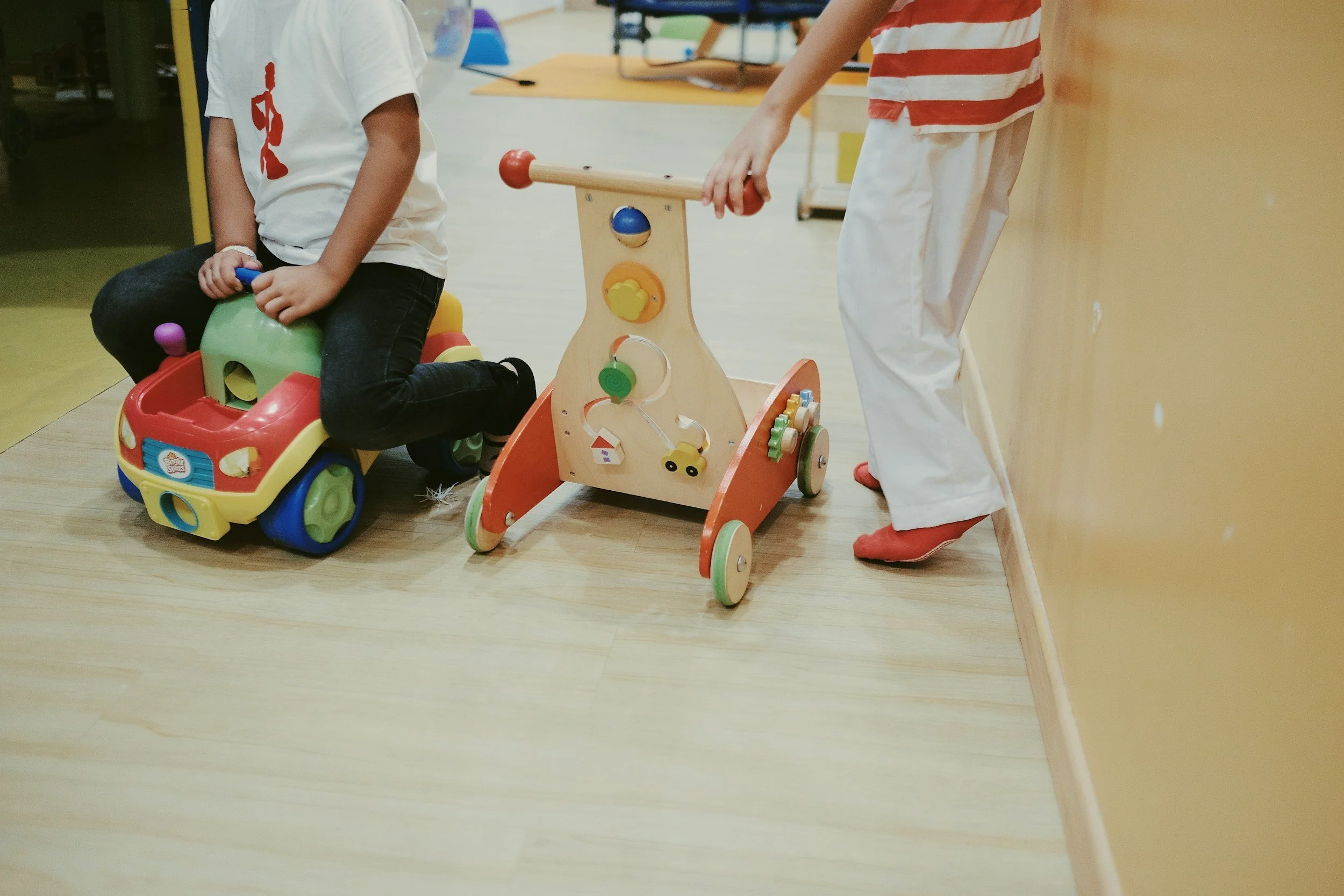
A high-quality daycare becomes like a part of your home where children learn to speak, form connections, and make sense of their surroundings.
Many parents only come to understand what is really important after visiting some centers. Some facilities appear very promising on the outside but have no heart, while there are those that appear very plain but provide excellent childcare.
Understanding these signs can give you the confidence to make an informed choice without second-guessing everything. Here are ten signs that show the daycare center you have chosen is a good one for your child’s development.
1. Children Look Emotionally Comfortable, Not Just Supervised
The most honest reflection of a daycare’s quality lies in how the children in it feel emotionally. In a high-quality daycare, it’s not just about being “kept busy” but rather feeling safe, understood, and emotionally anchored.
One will observe that the children readily approach the caregivers, engage in tasks without any difficulty, and bounce back from minor problems because of the confidence they have in the adults present. The environment in the classroom is serene despite there being active play. This state of emotional security is not by chance but through structured caregiving.
When the children show up withdrawn, overly clingy, or indifferent, it might point to emotional inconsistency.
2. Educators Interact Warmly and Naturally with Children
When teachers take care of kids in a high-quality daycare center, they do not simply watch them but interact with them. They behave in a loving manner, and everything they do appears genuine.
They always kneel down to talk to kids at their own eye level, ask them open-ended questions and guide behavior through discussion and not commands. They calm an agitated child without rushing through the process.
Responsiveness creates a situation where trust can be created and emotional development takes place. There are no indications that the staff members are under any pressure or stress, which is a sign of proper training.
3. The Environment Feels Safe, Clean, and Purposefully Organized
Safety is another very solid component of a high-quality daycare facility. All licensed daycares must indeed fulfill certain basic standards, but quality daycares do much more than that.
The room is bright, organized, and designed with learning areas such as reading corners, sensory play areas, and creativity areas. The toys are clean and switched out often to prevent overstimulation.
You will also find secure entry systems, clean outdoor areas, and safety measures in place. All these things ensure that children can explore freely without any risks.
4. Learning Happens Through Play, Not Pressure
One of the greatest signs of high-quality daycare centers is how the center teaches the children. Instead of concentrating on academics like schooling, the center focuses on exploratory learning through play.
They can also be busy with activities such as building blocks, which will help them learn about engineering while young, and storytelling, which will develop their language skills. The activities are not boring for the kids since they get an opportunity to ask questions, conduct experiments, and even be creative.
Learning through play helps develop the child’s mind in a much better way than learning fixed subjects.
5. Daily Routines Are Consistent but Flexible
Predictability is essential to children, but children also require space for their uniqueness. High-quality daycare provides both structure and flexibility.
The typical day follows a usual pattern that includes arrival, free play, group learning, eating, outside activities, sleep/rest periods, and creativity sessions. But caregivers take into consideration the mood and development of the child.
This balance will help children feel safe but still be able to experiment with their independence.
6. Communication With Parents Feels Open and Continuous
Parents should always be connected with their child’s day. At a high-quality daycare center, communication is not intermittent but continuous.
You receive meaningful updates about meals, naps, learning activities, social interactions, and emotional moments. More importantly, caregivers are willing to discuss concerns openly and respectfully.
This collaboration helps create a situation where both your home and the daycare complement each other in ensuring the child’s growth.
7. Low Child-to-Teacher Ratios Support Individual Attention
One way of knowing whether or not a daycare center is offering quality care is through the teacher-to-child ratio. Smaller ratios mean that the educator can offer more concentrated attention to their children and develop an emotional connection with them.
When ratios are well managed, children will not feel neglected, and teachers will have an easier time identifying each child’s preferred mode of learning.
This will make the environment more secure and stable for all the children.
8. Children Are Actively Engaged, Not Passive or Overstimulated
When you enter a classroom in a high-quality daycare center, the children are neither bored nor overloaded. Rather, they are actively involved.
Some children might be working on their puzzles, some in storytelling as a group, and some playing outside. What is important here is the involvement of children in activities that suit their level of development.
There is a perfect balance maintained between constructive learning and exploration for the children that lets them move seamlessly from being focused too creative.
9. Behavior Guidance Focuses on Teaching, Not Punishment
The discipline in early years' settings must involve guidance and not corrective discipline through fear. A high-quality daycare will focus on emotional and problem-solving skills.
Caregivers assist children in recognizing their emotions, understanding the consequences of their actions, and learning how to resolve their conflicts. Rather than just telling them not to do something, caregivers provide reasons behind such actions.
This approach builds emotional intelligence, empathy, and long-term self-regulation skills.
10. The Center Has Strong Reputation, Licensing, and Consistency
A high-quality daycare not only provides information regarding licensing, qualifications of staff, and operating practices but also relies on reputation, which is equally important.
The parents speak highly of the daycare because of their satisfaction and trust, and also due to the developmental progress of children. The turnover rate of the staff is low, indicating a positive working environment.
When a daycare maintains both professional standards and real parent trust, it becomes a reliable environment for early childhood growth.
Frequently Asked Questions:
Q. How do I know if I’ve chosen a high-quality daycare?
A. You’ll notice emotional comfort in your child, consistent communication from staff, structured yet flexible routines, and visible engagement in learning activities. These combined signals strongly indicate a high-quality daycare.
Q. What should I prioritize when selecting daycare?
A. Focus on caregiver interactions, safety standards, child-to-teacher ratios, and emotional environment rather than just appearance or cost. These factors define whether a center is truly a high-quality daycare.
Q. Is play-based learning effective for young children?
A. Yes. Research shows that play-based environments improve language, problem-solving, social skills, and emotional development more effectively than early academic pressure.
Conclusion
Childcare should not be about perfection; it should be all about consistency, care, and development. In a high-quality daycare center, children feel safe emotionally, educators are very attentive to their needs, children learn effortlessly, and communication with parents does not become difficult.
When these ten signs come together, you are no longer selecting just any old daycare; you are creating a framework for building up your child’s self-confidence and desire to learn.
