 467 Vanderbilt Ave, Brooklyn, NY 11238
 Mon-Fri 8AM - 6PM.

What Parents Should Know About Toddler Development in Daycare?
The toddler stage is associated with the quickest and most visible changes during the early childhood period. From ages one through three, children learn how to communicate, control their emotions, interact with other people, move confidently, and be more independent. To learn in this way, daycare may become a vital element in the process of learning.
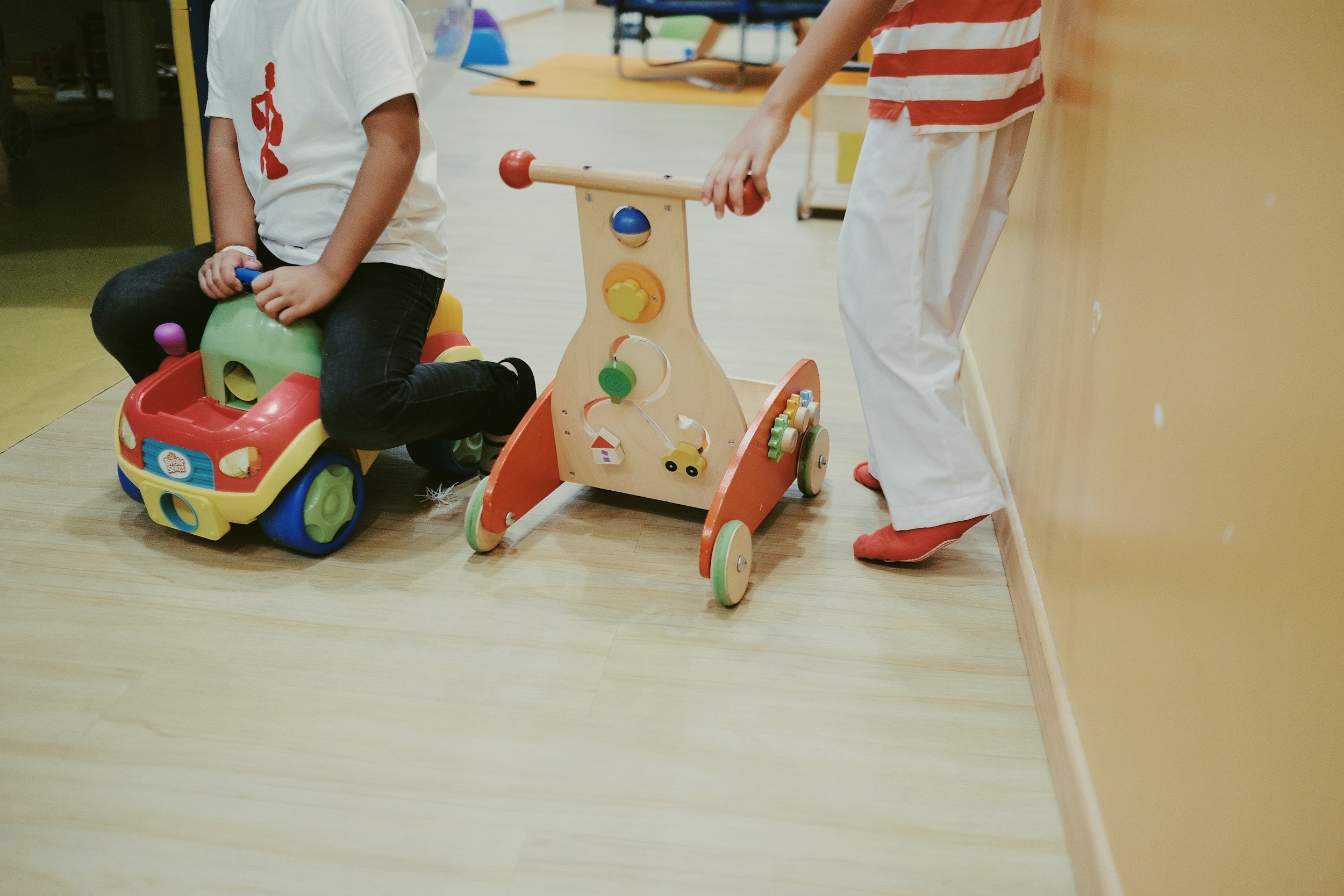
Understanding toddler development in daycare is useful for parents to understand what to expect from a quality daycare center. A quality daycare center not only ensures supervision but also creates an environment that helps toddlers explore and interact in many ways.
The objective is not to push toddlers into formal academics at such an early stage. Rather, a good daycare program takes advantage of everyday events and experiences to foster development in all the domains mentioned above.
What Does Toddler Development in Daycare Include?
Multiple developmental aspects of toddlerhood are interrelated. While learning language, a toddler can learn to express emotions. A child developing physical coordination may become more confident and independent. In the same way, social interaction with another child will foster language skills, emotional control, and problem-solving.
For this reason, toddler development in daycare should be seen as an entire process of a child’s development and not an itemized list of separate skill sets.
The ways for caregivers to encourage development include reading, singing, block building, drawing, pretending, moving outside, exploring using all senses, eating, and simple class activities. These activities help children develop skills in context.
Social and Emotional Growth
The toddlers understand the concept of belonging to the group. They might like to play in the presence of other kids but cannot share or wait for their turn to play. At the same time, the toddlers begin recognizing emotions but are unable to control them without adult assistance.
A responsive caregiver can recognize that the child is frustrated, label the emotion in simple terms, and present suitable options for the child. Through these experiences, the toddlers will learn self-regulation.
Toddlers are not supposed to deal with disappointment the same way older children do. Having tantrums, getting frustrated, and having trouble sharing are all normal stages for young children. The important thing is how the parents react and whether the kids are developing new skills.
How Daycare Supports Language Development?
Language grows through interaction. Toddlers require opportunities to listen to language, comprehend communication, make demands, and engage in an exchange of language.
Caregivers can facilitate language development during common activities. For instance, while having lunch, the teacher may name various foods, narrate what the children are doing, or allow them to communicate their wants. When out playing, the caregiver may name words that relate to motion, colors, shapes, animals, or nature.
These kinds of interactions play an important role in toddler development in daycare because toddlers learn languages within the context of their experiences rather than just learning new vocabulary.
Storytelling, singing, nursery rhymes, picture books, and conversations related to children's interests can further enhance their communicative skills. Parents should look for classrooms where the teachers interact with the children actively.
A child who is learning multiple languages may continue to develop their native language while he learns another language. Parents should be open about the child’s linguistic background with the childcare providers so that communication is respectful.
Why Play Is Important for Toddler Development?
Play is one of the most productive activities that help toddlers discover who they are and how the world works. When a toddler stacks blocks, pushes toy cars, plays with dolls, uses sensory items, or pretends to cook, he or she is testing theories and developing skills.
A quality daycare must offer children chances to play on their own and under the guidance of caregivers. Children must have sufficient time to pursue their interests while the caregivers are around to facilitate further learning.
Physical and Motor Development
Children need to be allowed regular movement, such as walking, running, climbing, dancing, pushing their toys, playing ball games, and exploring outside to aid gross motor skill development.
Children’s fine motor skills can be developed through activities such as turning book pages, stacking small items, drawing, playing with playdough, solving simple puzzles, and artistic activities.
The result is that learning during toddler development in day care becomes hands-on and realistic, instead of being based on worksheets and structured classes.
Early Thinking and Problem-Solving
The toddlers are very curious about the world around them. They are interested in discovering how things will behave when they are dropped, mixed, opened, or constructed.
The curiosity of kids can be encouraged by letting them experiment, as opposed to providing an immediate solution. For instance, when a block tower falls, the child is prompted to try once more and see how altering the setup changes the result.
This helps foster resilience, early logic skills, memory, attention, and problem-solving.
What Should Parents Look for in a Daycare?
The evaluation process in choosing a good daycare for one’s child should extend beyond the aesthetics of the classroom. Decorations and educational toys may look nice, but it is interaction that counts even more.
The parent should examine the way caregivers engage with children on their level, listening to them, responding to their needs, and encouraging them to accomplish age-appropriate tasks on their own.
Another benefit of having a good program is predictability in routines. Many toddlers would feel more confident about what takes place when they know about routines during different periods of the day. Routines for meals, naps, outside time, diapering/toileting, activities, and transitions should have an appropriate degree of consistency.
It is also recommended that parents inquire about how toddler development is being handled in daycare on an individual level. This is because not all children have the same likes and dislikes and developmental stages.
How Can Parents Monitor Their Toddler’s Progress?
Parents should not continuously compare their child to other babies. Milestones in development can be used as guidelines, but each child can acquire the skill at a different time.
Instead, parents can focus on identifying gradual changes. The toddler will start speaking more words, being more independent, engaging in activities for longer periods, adhering to simple routines, or feeling comfortable with other children they know.
Communicating with the daycare workers can help shed some light on the matter. These adults observe how the child acts while participating in groups, mealtime, transitions, playing outside, and socializing with other children. The parents get to see their child in a different setting at home.
Combining these observations gives families a more complete understanding of toddler development in daycare.
Parents or caregivers need to have an open discussion about their concerns rather than taking a wait-and-see approach that assumes the child is simply going to grow out of their problem. Childcare providers are not there to diagnose developmental problems but can offer information and assistance to families seeking help.
Why Parent-Daycare Communication Matters?
Communication between parents and caregivers can greatly affect the consistency of experience for the child.
Parents can inform caregivers of their child's latest interests, activity preferences, comforting techniques, changing routines, or even newly developed communicative skills. Caregivers may then communicate their observations in the classroom and how the child reacts to various situations.
This partnership is especially helpful in fostering the toddler development in daycare because it allows for more success when the child’s surroundings can meet his or her needs.
Parents should then inquire about communication that happens between the daycare and the family. Ask if teachers provide updates daily, share information regarding development, and arrange conferences.
Frequently Asked Questions About Toddler Development in Daycare
Q. What should toddlers learn in daycare?
A. Learning opportunities must be provided for the toddler to develop language, mobility, socialization, emotions, independence, and beginning problem-solving. Such skills can best be developed through play, relationships, routines, and exploration.
Q. Can daycare support social development?
A. Yes. Regular interaction with caregivers and other children provides toddlers with chances to communicate, take turns, cooperate, and be emotionally aware. The presence of an adult is necessary since toddlers have not yet developed the skills to handle social situations on their own.
Q. Should toddlers have formal academic lessons?
A. Play-based and experiential education works best for most toddlers. Learning through reading, singing, talking, moving around, using the senses, and pretending helps build a solid foundation for later learning.
Q. How can parents support development at home?
A. Parents can reinforce toddler development in daycare by reading with their child, talking about everyday experiences, encouraging independent attempts, playing together, singing songs, and involving toddlers in simple household routines.
Final Takeaway
Toddler development in daycare is not all about getting all toddlers to attain particular milestones at once. This process involves creating a conducive environment for toddlers to develop according to their rate of development, with proper motivation and guidance.
Parents should choose a program that provides childcare with loving caregivers, structure, meaningful play, movement opportunities, language stimulation, and good communication between the parents and caregivers. Parents and the daycare caregivers can work together to help make things more consistent for the child at home and daycare.
Ultimately, the best way for a toddler to spend their day is through experiences that enable them to make mistakes, test out ideas, communicate their needs, develop social skills, and become more independent. Such experiences are critical in helping children develop.
